
One of my main goals in starting out in astrophotography is to avoid the need to spend all night outside in the cold watching the telescope. The requirement of long exposures and multiple images where you can’t actually see what’s happening is not that appealing to me. I have been looking into methods for automating the acquisition of images without actually sitting in the dark by the telescope. This series of posts follows me in my journey towards an automated astrophotography setup that can be used at home or elsewhere without breaking my budget.
In this post I cover introducing a dedicated astronomy camera with my telescope system.
One of my concerns about my astrophotography set up was leaving my Nikon camera outside overnight, exposing it to potential rainfall, frost, wind and generally hazardous conditions. The logical next step was to invest in a dedicated astronomy camera manufactured to cope with these conditions. After some research I decided that the cooled ZWO ASI-533MC Pro would be a significant upgrade to my system.
The ZWO ASI 533MC Pro camera
The ZWO ASI 533MC Pro is a cooled one shot colour (OSC) camera based on the Sony IMX533 colour CMOS sensor. Its specifications are impressive for a camera in this class:
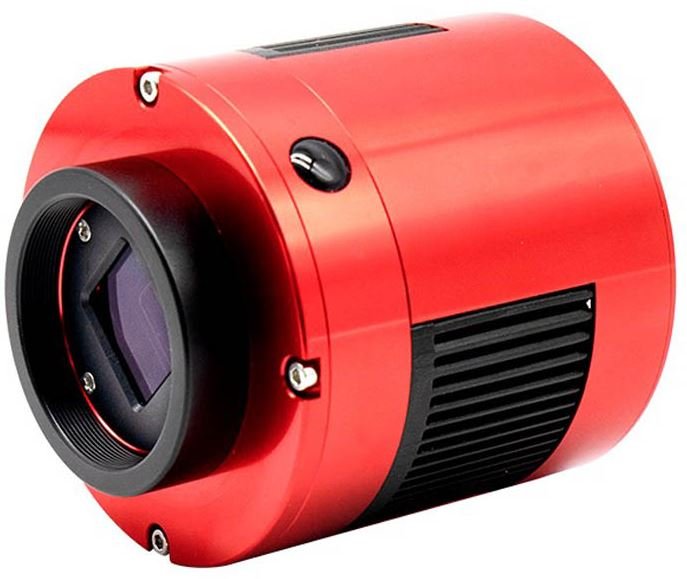
ZWO ASI-533 MC Pro cooled one shot colour astronomy camera
Sensor: Sony IMX533 colour CMOS.
Resolution: 3008 × 3008 pixels.
Total resolution: approximately 9 megapixels.
Pixel size: 3.76 microns.
Sensor format: 1-inch square.
ADC: 14-bit.
Cooling: Two-stage thermoelectric Peltier cooling.
USB 3.0 connectivity.
Zero amplifier glow design.
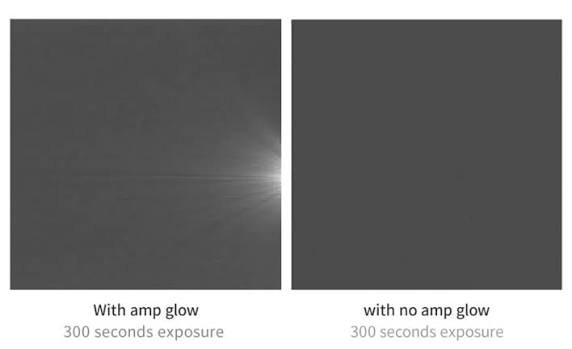
One of the biggest advantages of this camera is its regulated cooling system. Long-exposure astrophotography generates unwanted thermal noise, particularly during warmer nights. The camera's cooling system helps reduce this noise and produces more consistent imaging conditions throughout the night. Another major advantage, and probably the reason I chose the camera, is its lack of amplifier glow. Amp glow is a phenomenon where heat and infrared radiation can be emitted by the amplifier circuits in CMOS sensors causing glows or starburst patterns on the image. Amp glow becomes more noticeable during long exposures, typically over 20s In duration and in higher temperatures.
Amp glow produces a consistent pattern based on the gain setting, exposure time, and temperature so it can be removed by taking a series of dark frames using exactly the same gain, exposure and temperature parameters at the same time as the images but with the lens cap on. This obviously doubles the length of time it takes to acquire the image and reduces the amount of imaging time. Postponing the dark frames until the next day isn’t always successful as the temperature may be different (not a problem with a cooled camera though). The sensor and electronics design of the 533MC Pro removed all amp glow, making the images cleaner and making calibration and processing easier, particularly when working with long exposures.
The square sensor is also an interesting feature. Although it is smaller than an APS-C sensor, its square format makes framing a number of deep-sky targets straightforward and can provide some alternative compositions. The camera is also significantly cheaper than its bigger brother, the ASI 2600MC Pro, which uses the same size pixels in a more conventional rectangular APS-C sensor.
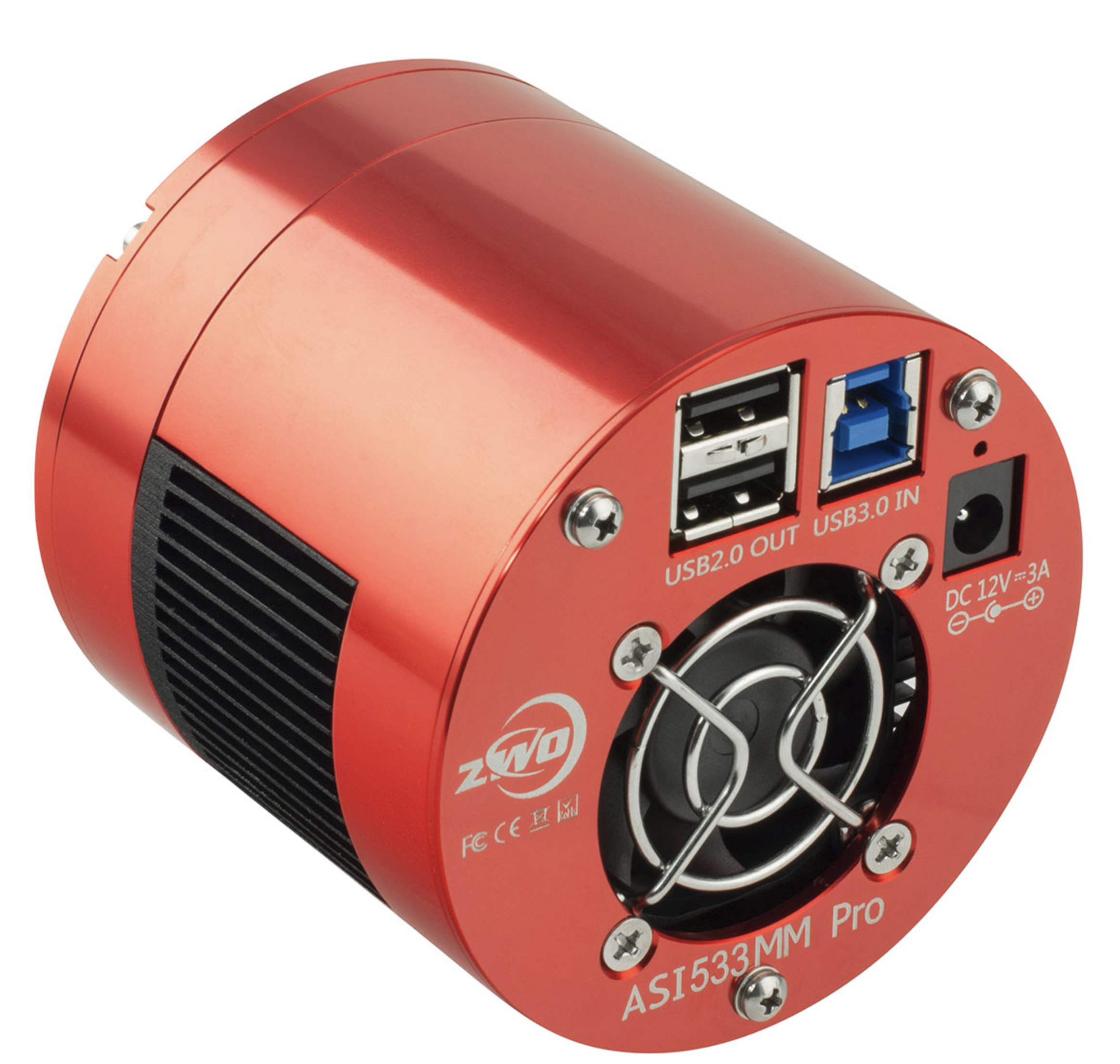
Rear of the ASI 533MC Pro showing power input, USB-3 data cable and USB-2 hub
The camera requires a 3.0A, 12v DC power supply for its cooling system. Unlike some of the earlier cameras from ZWO which could be operated in uncooled mode just over the USB cable, the 533 MC Pro will not work at all without the power supply. ZWO do not provide a power supply with the camera although a number of 5.5 × 2.1 DC power cables are included to connect it to an ASI Air or other power distribution system. The camera is also supplied with a couple of USB-3.0 cables.
Connecting the ZWO ASI 533 MC Pro to the EvoLUX 62ED and ASIair Plus
The camera is supplied with a number of spacer rings that allow the sensor to be positioned correctly in relation to the field flattener on my Sky Watcher EvoLUX 62ED to achieve the correct 55mm back focus distance. The rings are all of high quality and assembly was a simple affair.
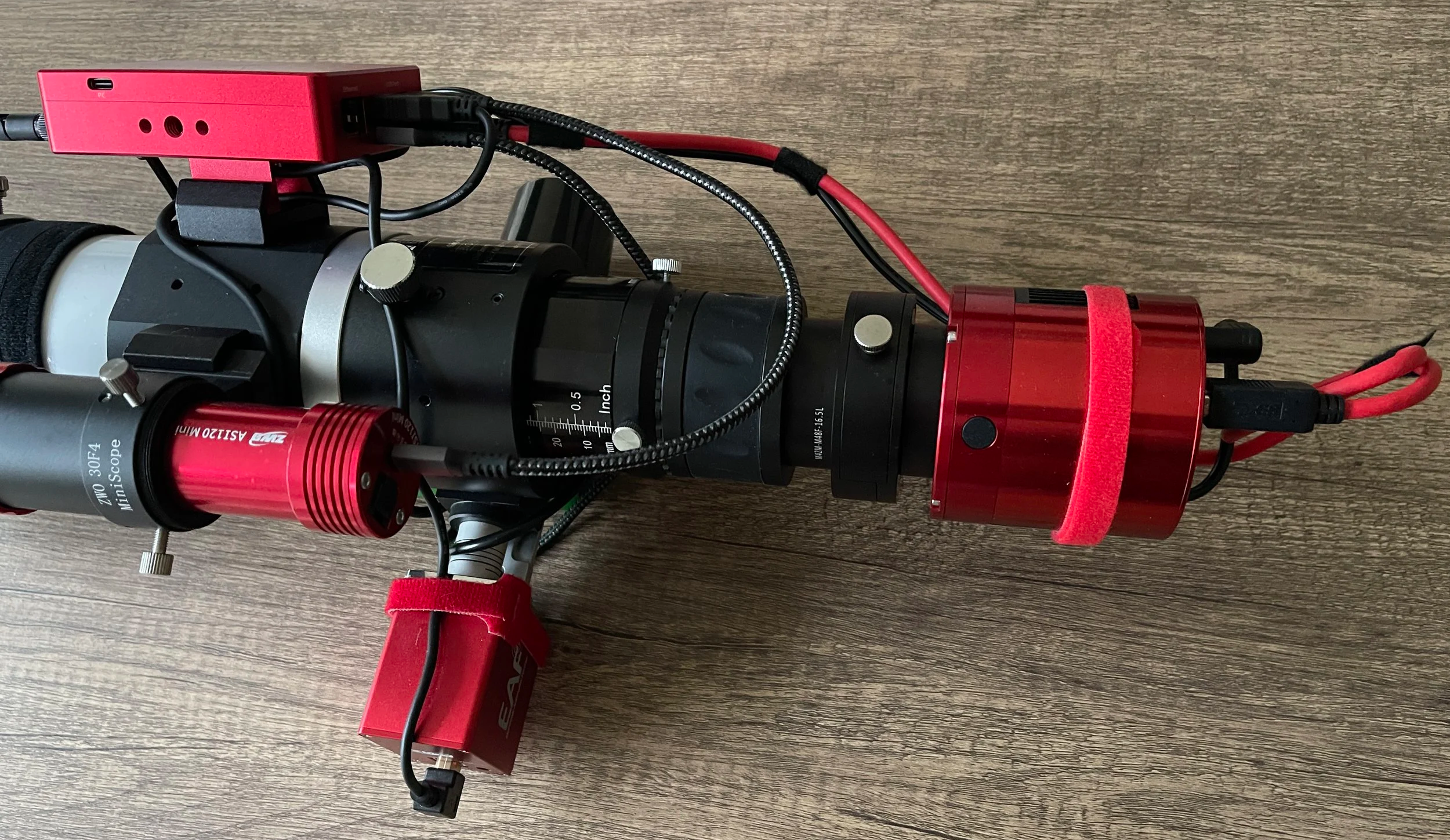
ASI 533 MC Pro mounted on the EvoLUX 62ED along with ASIAir Plus, EAF, and ZWO 30f4 guide scope with ASI120MM guide camera showing a neat cable installation
The 12V DC power and USB connections are taken from the ASI Air, making the whole setup compact and neat.
The Evolux 62ED's 400mm focal length and the ASI 533MC Pro's 3.76-micron pixels provide a sampling scale of approximately 1.94 arcseconds per pixel while using the optional 0.9x reducer/flattener, the focal length becomes approximately 360mm, with a corresponding sampling scale of approximately 2.15 arcseconds per pixel.
This is a useful combination for wide-field deep-sky imaging giving a field of view of approximately 1.62° × 1.62° at the native 400mm focal length or 1.80° × 1.80° with the flattener/reducer at 360mm focal length.
This gives enough sky coverage for many popular nebulae and larger galaxies, including the North America Nebula, Heart Nebula, Soul Nebula, Rosette Nebula and larger sections of the Milky Way while still retaining sufficient image scale to reveal interesting detail. Smaller galaxies and planetary nebulae will naturally appear relatively small in the frame. This is not a limitation of the camera but a consequence of the telescope's relatively short focal length. Like most things its a compromise - do you want to view large, wide field DSOs or small ones?
Example images
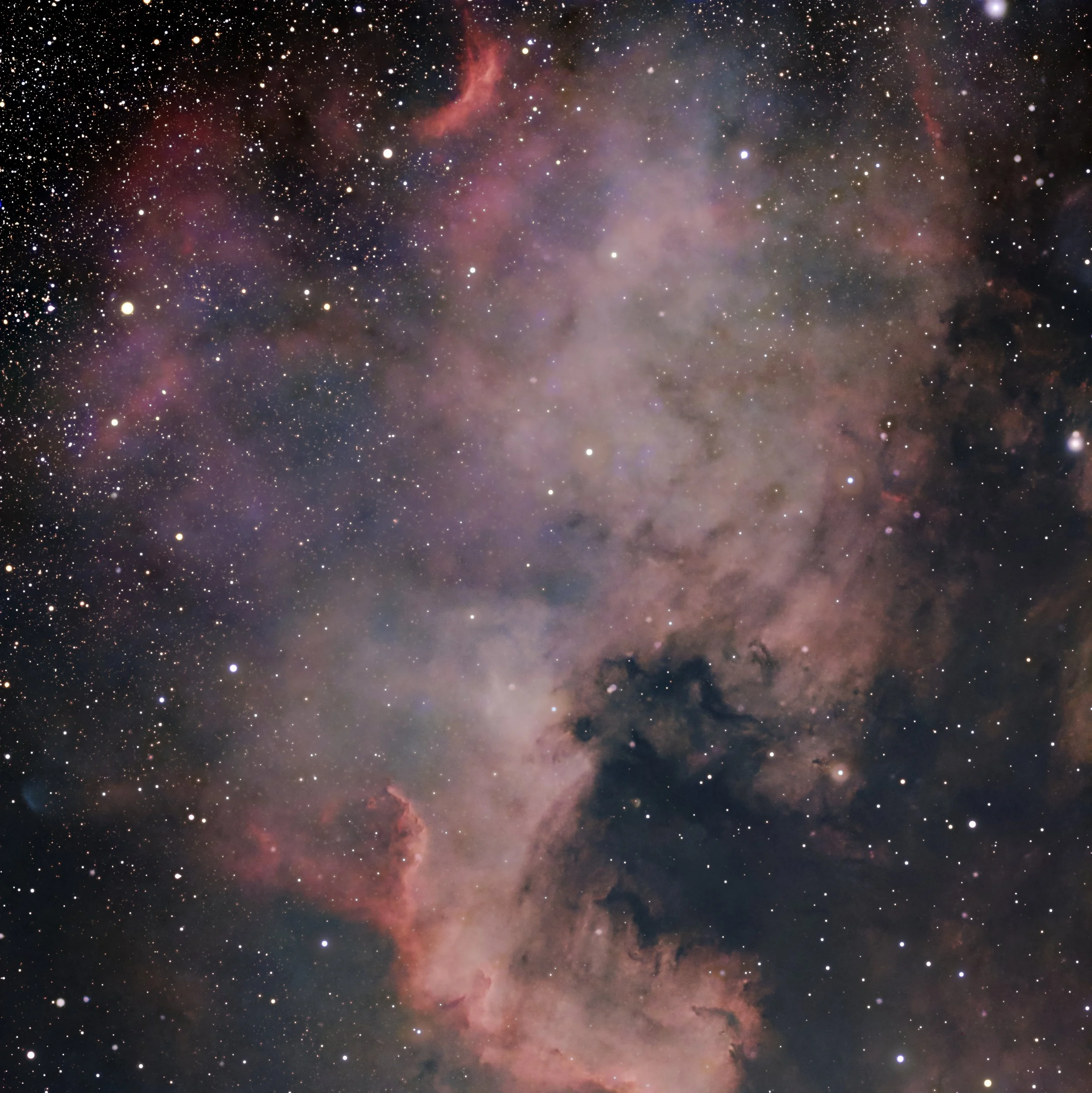
North American Nebula NGC 7000 (60 × 180s)
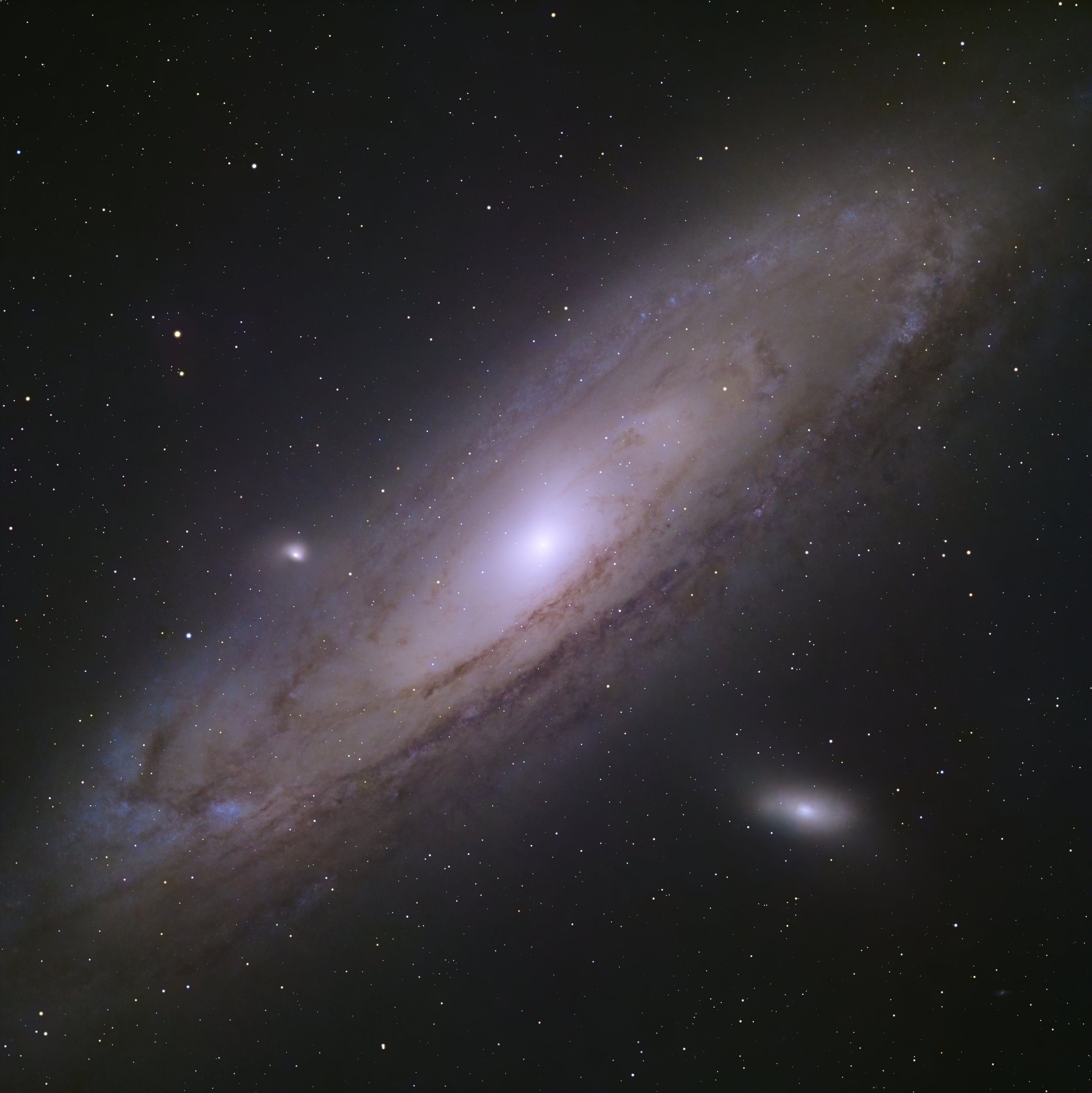
Andromeda Galaxy M31 (30 × 120s)
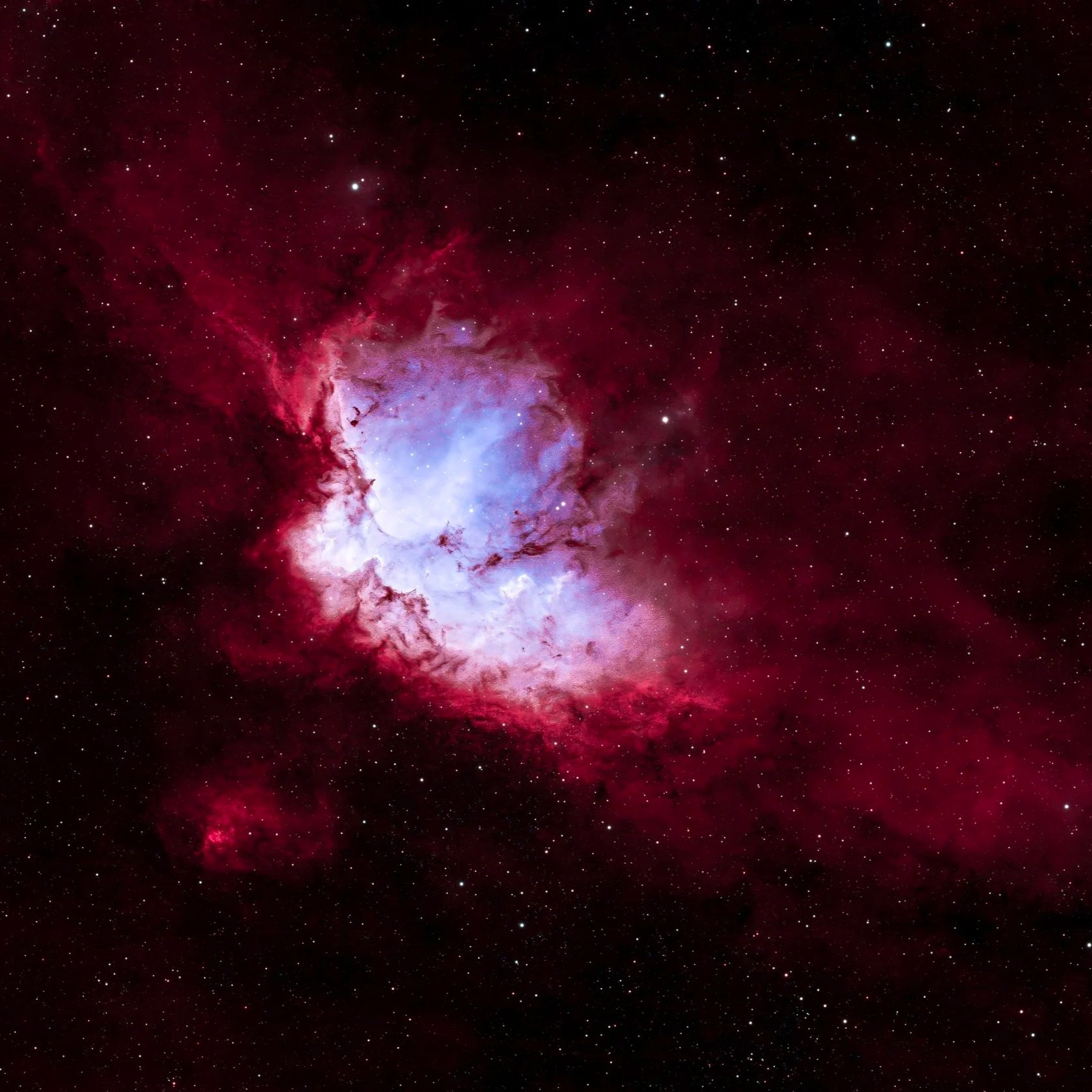
Wizard Nebula NGC 7380 (60 × 300s) (Optolong L-Ultimate)
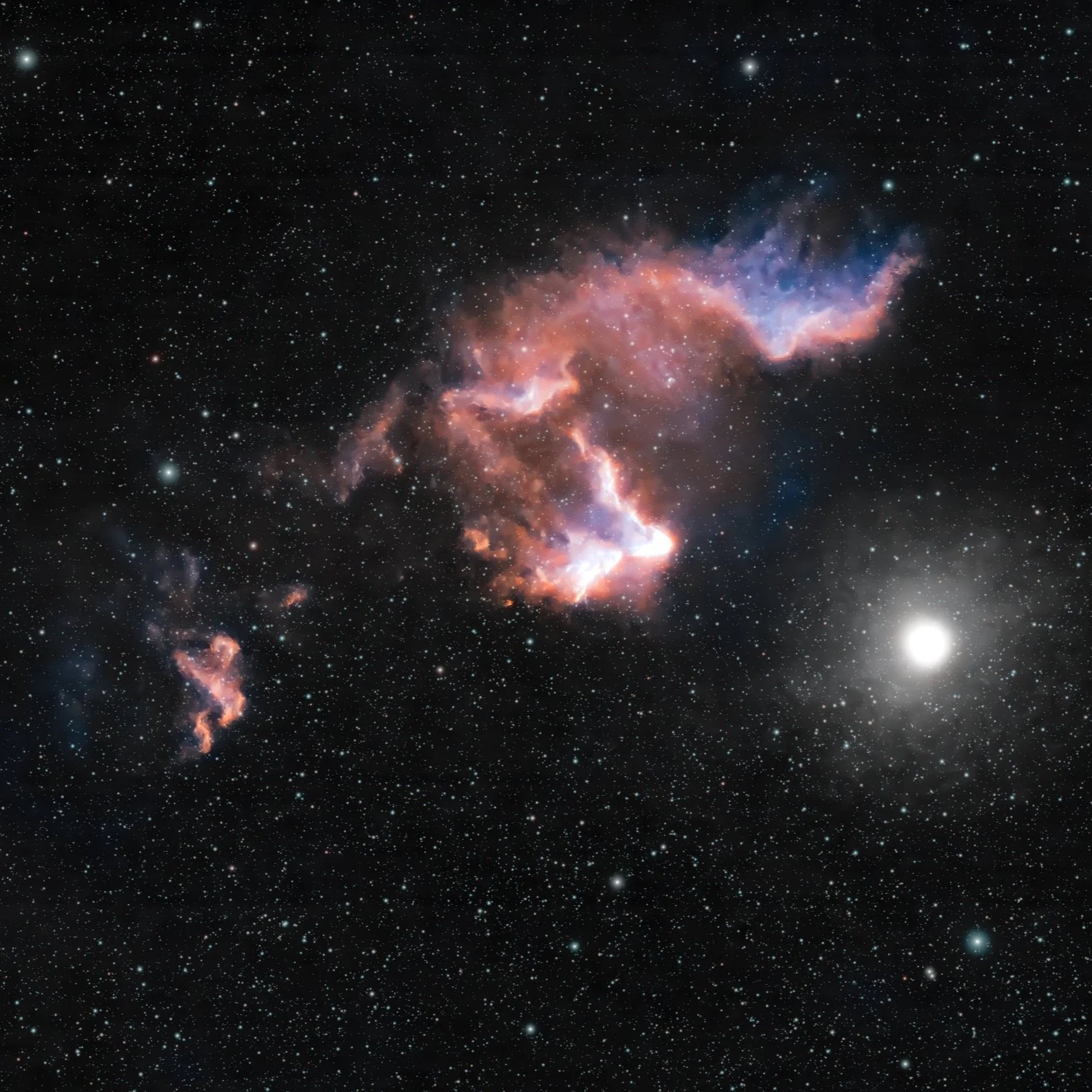
Ghost of Cassiopeia IC 63 (90 × 180s) (Optolong L-Ultimate)
Final Thoughts
As with everything else I’ve set up on my journey with the ASIair Plus, integrating the ZWO camera has been simplicity in itself. Physical installation of the device on the telescope was quick and painless. The operation of the system has been flawless as well, I have set up and polar aligned as darkness fell, and then chosen a target from the ASIAir Sky Atlas, framed it using the camera sensor view, and slewed directly to the target. I have run imaging sessions lasting up to 7 hours of 300 second exposures without any issues.
So, in summary, the ASI 533 MC Pro installation and operation was smooth, easy and quick, exactly how things should be.
Clear Skies !